🔋 Battery Diaries Chapter 10: Back Home, But Moving Forward
📅 September 2025 – June 2026
There is a strange feeling that comes with returning home after spending months in a research laboratory abroad.
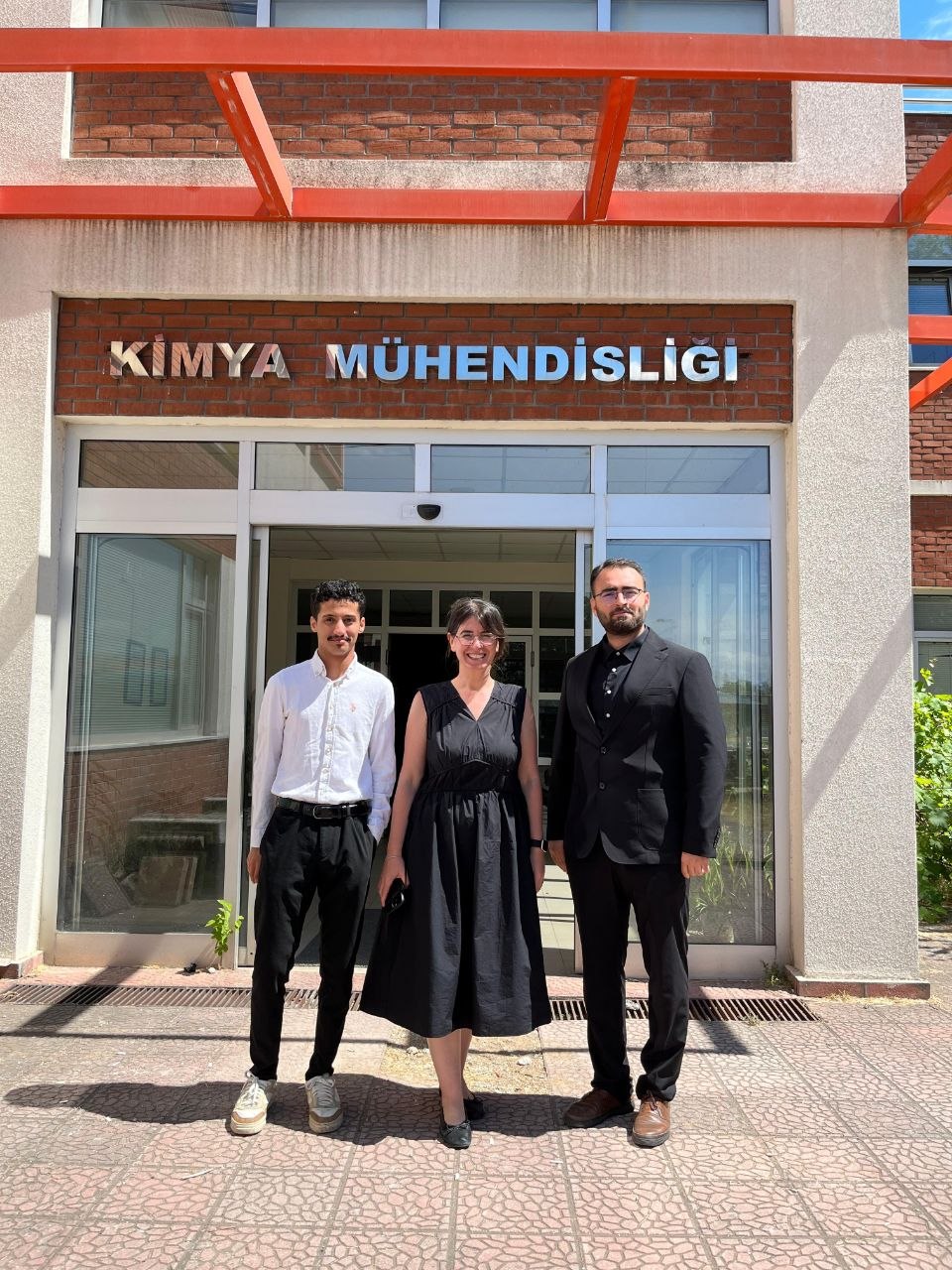
When I came back from Uppsala University Ångström Advanced Battery Centre, I wasn’t returning as the same student who had left a few months earlier. My perspective on batteries, electrochemistry, and even chemical engineering itself had changed. I had spent an unforgettable summer investigating low-temperature sodium-ion batteries, working with pouch cells, analyzing impedance spectra, discussing experiments with researchers, and experiencing what research looked like inside an internationally recognized battery laboratory.
Returning to Gebze Technical University, however, wasn’t the end of that journey.
In many ways…
it was the beginning of another one.
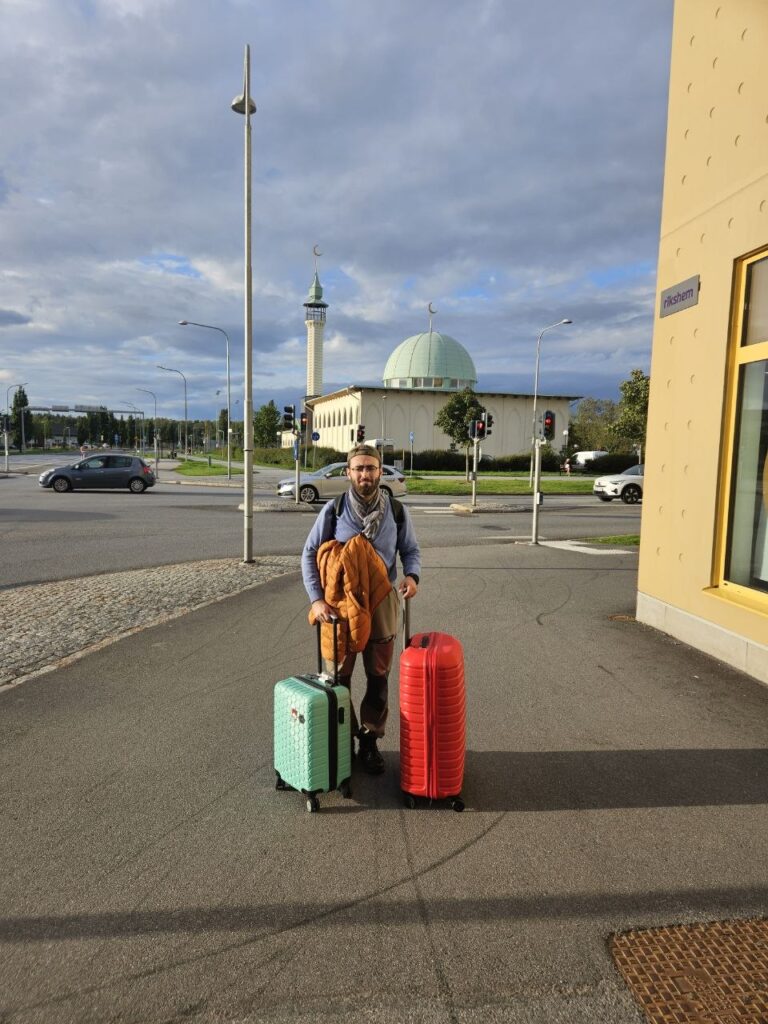
During my final undergraduate year, I found myself bringing together everything I had learned throughout the previous years.
🧪 Research gradually became connected with engineering design.
🏭 Engineering design met real industrial manufacturing.
🔬 Laboratory experiments began to make more sense when viewed through advanced characterization techniques.
🤝 And technical knowledge slowly evolved into scientific communication, collaboration, and community building.
Looking back today, I realize that this year was never about completing courses just to graduate. Instead, it became a year of connecting seemingly independent experiences into one coherent picture.
Some of those experiences had already started before my final year and continued throughout it. Others appeared unexpectedly, introducing me to inspiring researchers, industry professionals, and fellow students who shared the same passion for battery technologies.
This chapter is the story of that final undergraduate year.
It is a story about research projects, engineering design, industrial production, international workshops, scientific discussions, and the people I had the privilege of meeting along the way.
Most importantly…
it is the story of how I gradually stopped seeing batteries as individual experiments and started understanding them as complete engineering systems.
💬 Looking back, I don’t remember this year as the year I graduated.
I remember it as the year everything finally started to connect.
🔋 TwinBat International Workshop
Batteries: From Lab Scale to Prototype
📅 20–21 October 2025 | Gebze Technical University
The first major battery event I attended after returning from Sweden was the TwinBat International Workshop: Batteries from Lab Scale to Prototype. Looking back today, I realize it couldn’t have come at a better time.
Only a few weeks earlier, I had left the laboratories of the Ångström Advanced Battery Centre in Uppsala. There, I had spent months focusing on sodium-ion pouch cells, electrolyte formulations, electrochemical impedance spectroscopy, and low-temperature battery behaviour. Returning to Türkiye, this workshop became the first opportunity to reconnect with the country’s growing battery ecosystem while viewing it through a completely different lens.
Unlike many conferences I had attended before, I experienced this event from two different perspectives.
On one side, I was a participant, taking notes throughout the technical sessions, asking questions, and trying to understand how different research groups and companies approached battery development.
On the other, I was also part of the organization team.
From welcoming participants at the registration desk to assisting throughout the event and leading groups during the technical visits, I had the opportunity to interact closely with researchers, industry professionals, and fellow students in a way that would have been impossible as a regular attendee. Those conversations didn’t end when the workshop was over. Many of them continued afterwards through LinkedIn, phone calls, and occasional discussions about research, career paths, and new ideas.
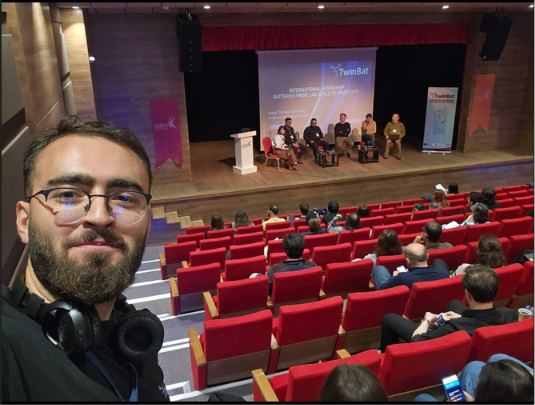
There was another reason why this workshop became memorable.
Its focus extended far beyond individual battery materials.
Instead of discussing only electrodes or electrochemistry, the programme followed the entire journey of a battery—from materials design and electrochemical characterization to scale-up, cell prototyping, battery management systems, thermal management, battery passports, and the collaboration required to transform laboratory research into industrial technology.
For me, this broader perspective was particularly valuable. My previous experiences had largely centred around laboratory research, but this workshop encouraged me to think beyond individual experiments and consider the complete innovation chain that connects scientific discoveries with real-world applications.
One of the highlights was undoubtedly the technical visits.
Visiting TÜBİTAK RUTE and SiRo Energy for the first time allowed me to see how battery research is translated into engineering practice, pilot-scale development, and industrial innovation. Walking through facilities that I had previously only heard about made the gap between academic research and industrial implementation feel much smaller.
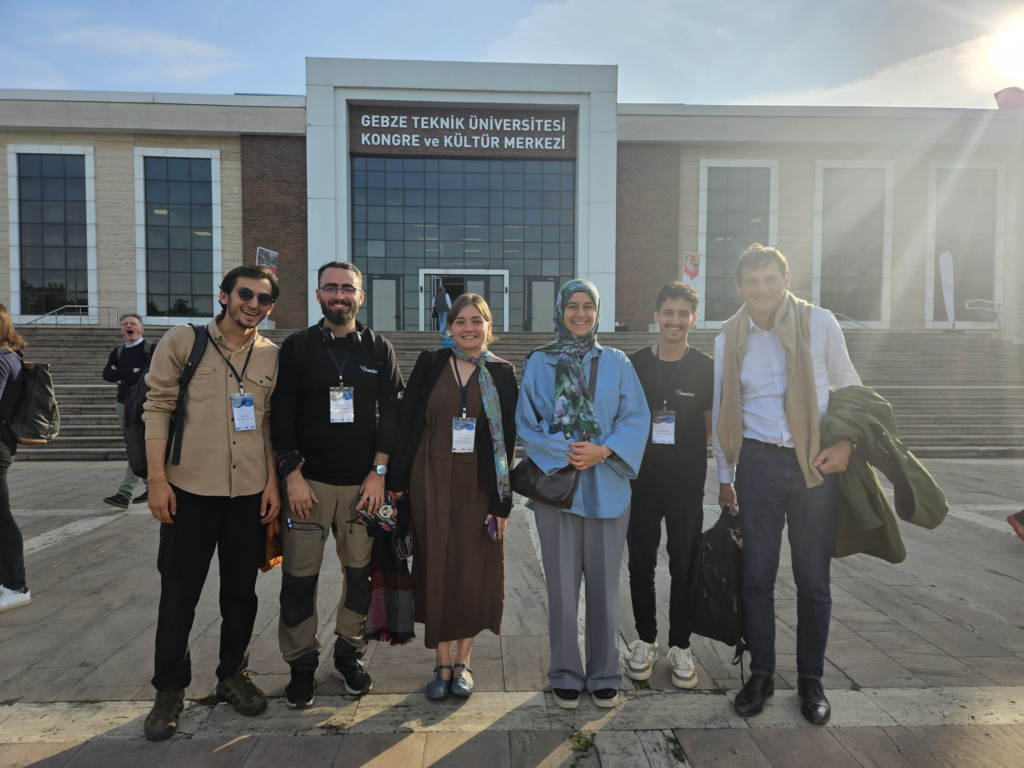
Beyond the lectures themselves, however, what stayed with me the most were the people.
Throughout the two-day workshop, I met researchers working on active materials, battery characterization, manufacturing technologies, and industrial R&D. Many of these conversations continued long after the event had ended, gradually becoming part of my own professional network.
Looking back now, I no longer see this workshop simply as the first event I attended after returning from Sweden.
I see it as the moment I truly began becoming part of Türkiye’s battery research community.
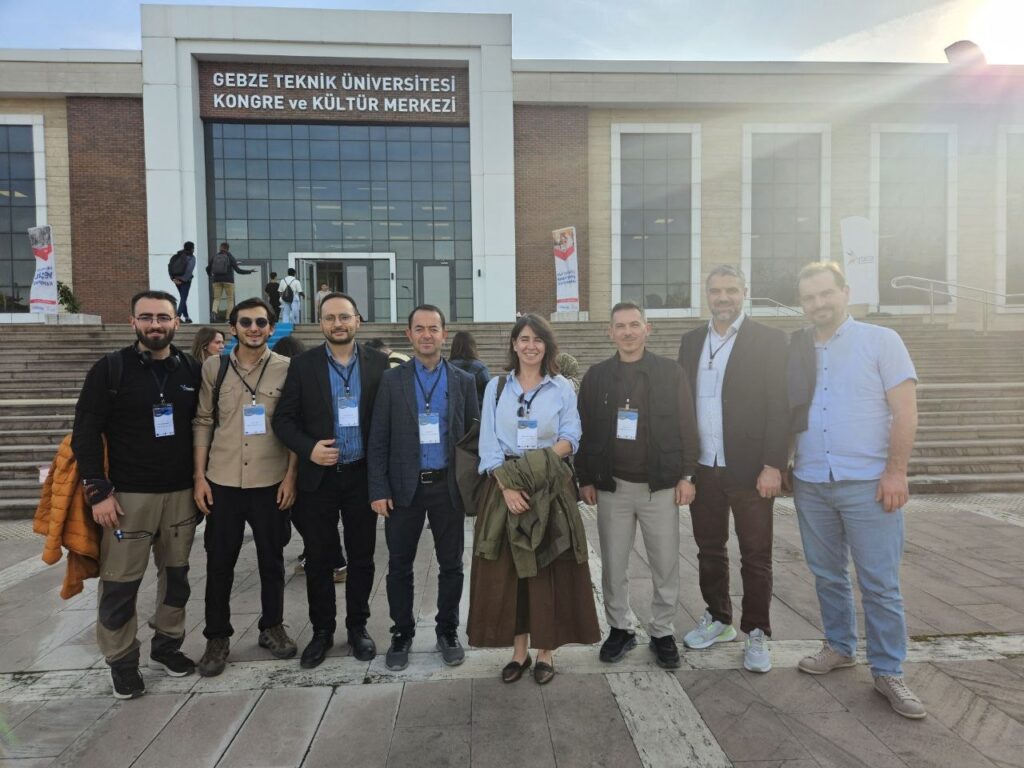
🎥 Workshop Highlights
💡 Looking Back
Sometimes, the greatest value of a workshop is not a single lecture or presentation.
Sometimes, it is realizing that you have found a community of people asking the same scientific questions—and discovering that, from that moment on, you are no longer watching that community from the outside. You are becoming part of it.
🧪 Bachelor’s Thesis
Can a Battery Remove Salt from Seawater?
While the workshop introduced me to the broader battery ecosystem, another journey had already been quietly unfolding in the background.
Unlike most undergraduate projects that last only a semester, my bachelor’s thesis accompanied me throughout almost my entire final year. Every literature search, every electrode I prepared, every electrochemical test, and every discussion gradually became part of a much larger learning experience.
This time, however, the question was different.
Instead of asking how a battery could store energy, we asked whether electrochemical principles could also be used to remove salt from seawater.
That simple question eventually became the foundation of my undergraduate research project.
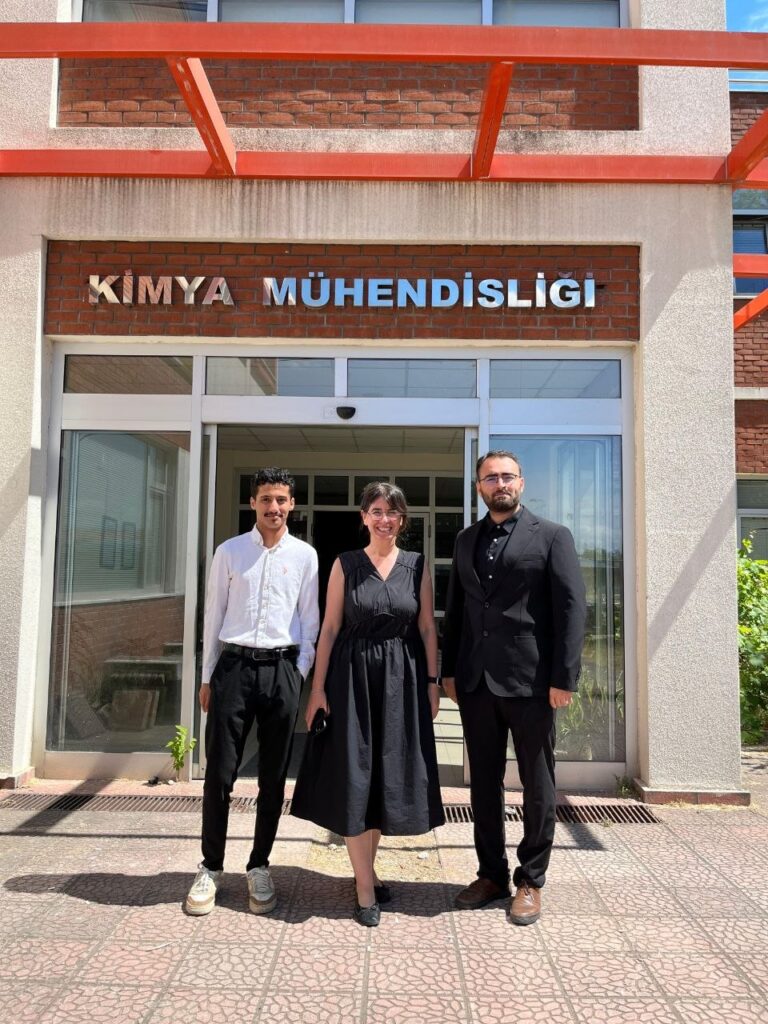
One of the reasons this project fascinated me was its interdisciplinary nature.
It combined electrochemistry, materials science, environmental engineering, and water treatment into a single research problem. Throughout the project, I worked with anthraquinone-based electrodes, investigated their electrochemical behaviour, and explored how battery-inspired systems could contribute to capacitive desalination.
Yet, looking back today, the technical results were only one part of the story.
The project taught me how scientific research actually develops.
Rarely does an experiment work perfectly on the first attempt. Every unexpected result, every repeated measurement, and every discussion about data interpretation gradually became part of the learning process. More importantly, I learned that asking the right scientific question is often just as important as finding its answer.
Perhaps the biggest lesson I took from this project was realizing that batteries are not limited to electric vehicles or energy storage systems.
The same electrochemical principles can also contribute to addressing challenges such as clean water production, environmental sustainability, and resource management.
That realization significantly broadened my perspective on what battery research could become.
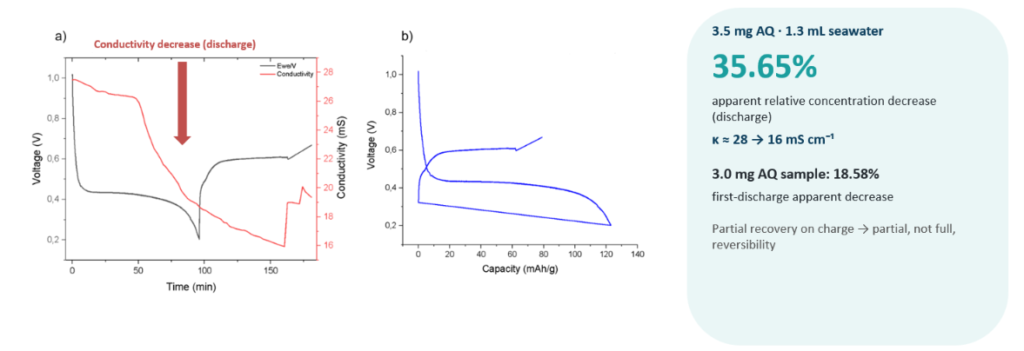
🔗 Want to explore the complete technical story?
This chapter only shares the personal side of my undergraduate research journey.
If you are interested in the complete experimental procedures, electrode fabrication, electrochemical measurements, desalination experiments, scientific discussions, and engineering results, I documented the entire project in a separate technical article:
👉 Can a Battery Remove Salt from Seawater?
💡 Looking Back
During my internship in Sweden, I learned how research is conducted inside an internationally recognized battery laboratory.
My bachelor’s thesis gave me something equally valuable:
the opportunity to take ownership of my own scientific question and follow it from the very first idea to the final conclusions.
🏭 Process Design II
Designing an Ethylene Oxide Plant
While my bachelor’s thesis challenged me to think like a researcher, another course was quietly teaching me something equally valuable:
how to think like a chemical engineer.
The Process Design course at Gebze Technical University was not a one-semester assignment. It was a two-semester journey that asked us to design an industrial ethylene oxide production plant from the ground up.
During the first stage, we focused primarily on understanding the production process itself.
The second stage, however, transformed the project into something much bigger.
Instead of asking “How can ethylene oxide be produced?”, we started asking a far more challenging question:
“How can this process become a complete industrial facility?”
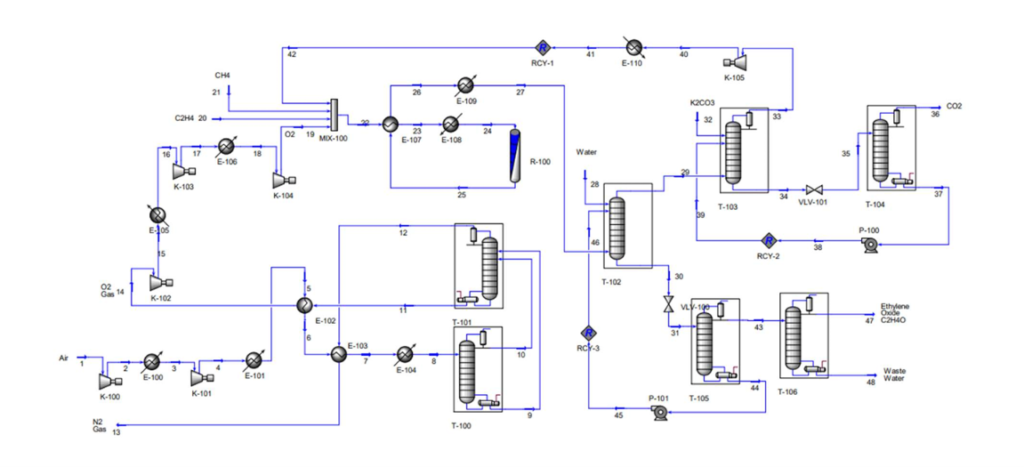
Suddenly, the reactor was no longer the centre of attention.
Utilities, process integration, energy recovery, process control, plant layout, environmental management, economic evaluation, and safety all became equally important parts of the same engineering puzzle.
For the first time during my undergraduate education, I truly experienced what systems thinking meant.
Every engineering decision influenced another.
Changing one unit operation affected energy consumption.
Improving efficiency created new control challenges.
Economic considerations interacted with environmental performance.
Nothing existed in isolation anymore.
That realization fundamentally changed the way I looked at engineering.
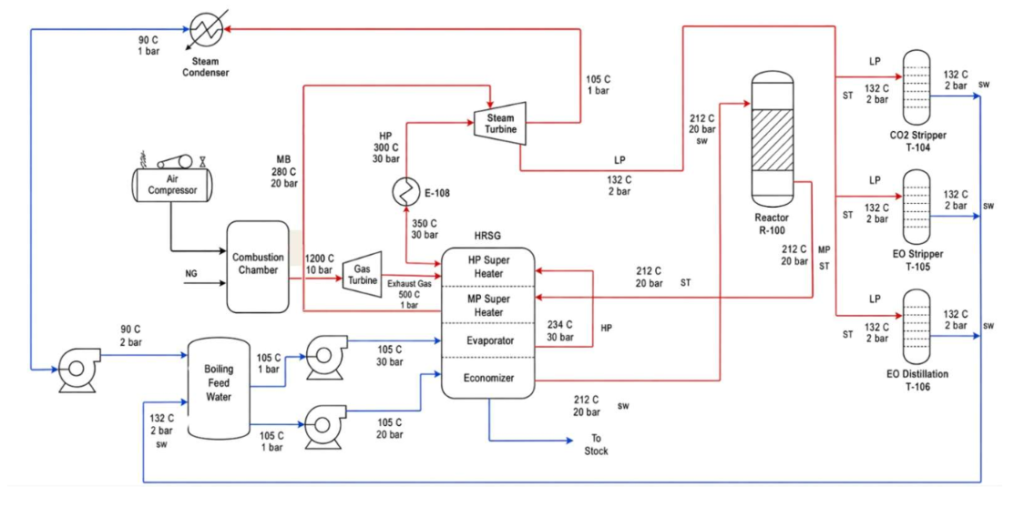
By the end of the project, what had started as a classroom assignment had evolved into a comprehensive engineering design study spanning nearly three hundred pages.
More importantly, it brought together concepts that had previously existed as separate university courses.
Thermodynamics.
Reaction engineering.
Heat transfer.
Separation processes.
Process control.
Safety.
Economics.
For the first time, they all belonged to the same story.
One of the most memorable moments came at the very end of the semester.
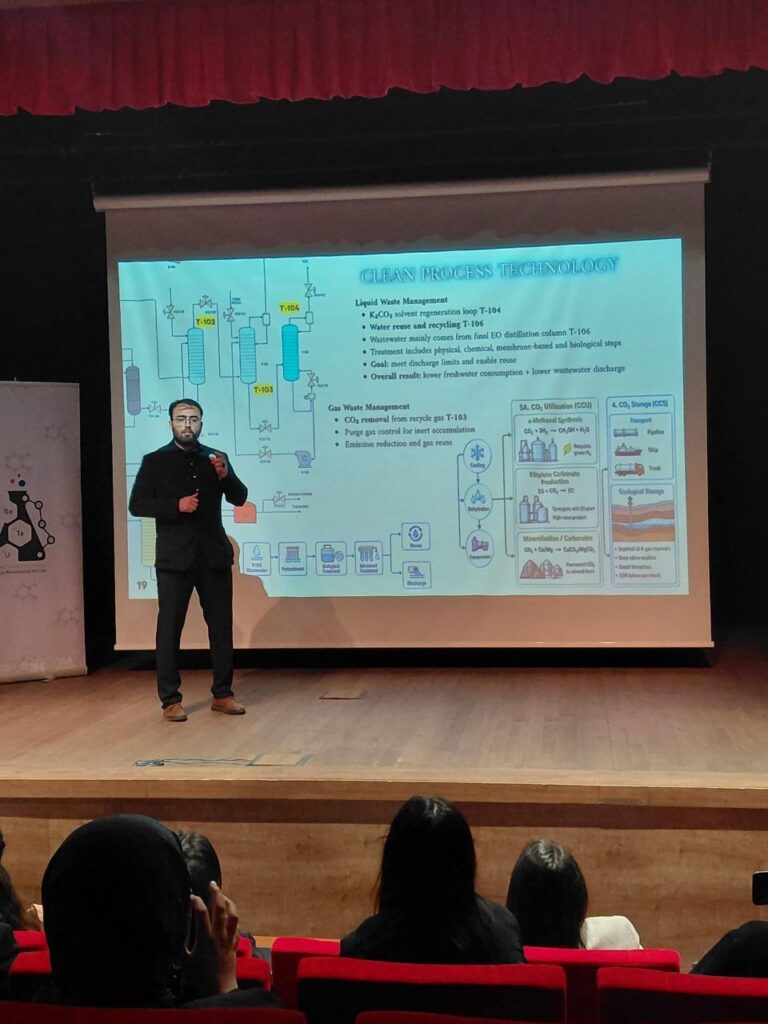
Our department organized GTU Process Design Days, where each team presented its complete plant design before faculty members, fellow students, and invited professionals from industry.
Standing there, presenting not only calculations but the logic behind an entire industrial facility, felt very different from giving an ordinary classroom presentation.
It was one of the first moments where engineering decisions had to be communicated the way they are discussed in professional practice.
🔗 Interested in the complete engineering journey?
This chapter only shares how the project shaped my perspective as a chemical engineer.
If you would like to explore the complete technical story—including process simulations, utility systems, safety studies, economic evaluation, plant layout, and the second-stage design improvements—you can read the full article below.
👉 Production of Ethylene Oxide
💡 Looking Back
My bachelor’s thesis taught me how to investigate a scientific question.
Process Design taught me something different.
Engineering is not about optimizing a single experiment—it is about understanding how every part of a system works together.
🏭 From Paper to Production
My Production Internship at Hayat Kimya
Between the two semesters of my final year, I stepped away from university for a while and entered a completely different learning environment.
This time, there were no laboratory coin cells, no electrochemical workstations, and no process simulations running on a computer screen.
Instead, there were production lines, operators, quality control laboratories, utilities, logistics, and the continuous rhythm of industrial manufacturing.
After spending months designing an ethylene oxide plant on paper, I finally had the opportunity to observe how a real chemical production facility operates.
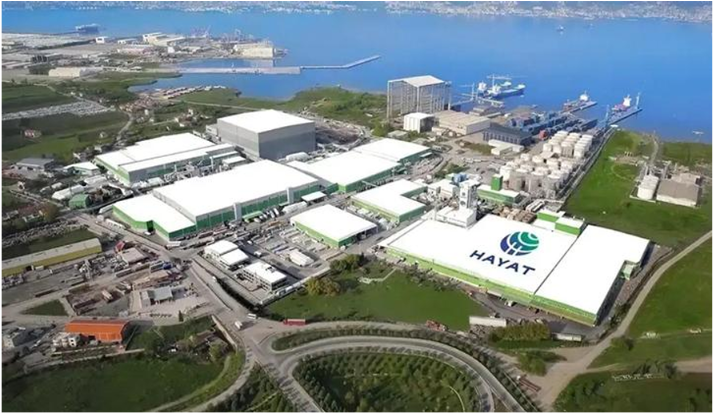
One of the biggest lessons I learned during this internship was that industrial production is far more than simply making products.
Every process depends on the careful coordination of raw materials, formulation, mixing, process control, quality assurance, maintenance, safety, and countless decisions that often remain invisible from the outside.
As chemical engineering students, we spend years solving equations, performing calculations, and drawing process flow diagrams. Walking through an operating production facility reminded me that behind every diagram lies an entire team of engineers, operators, technicians, and specialists working together to keep that process running every single day.
That perspective is difficult to gain inside a classroom.
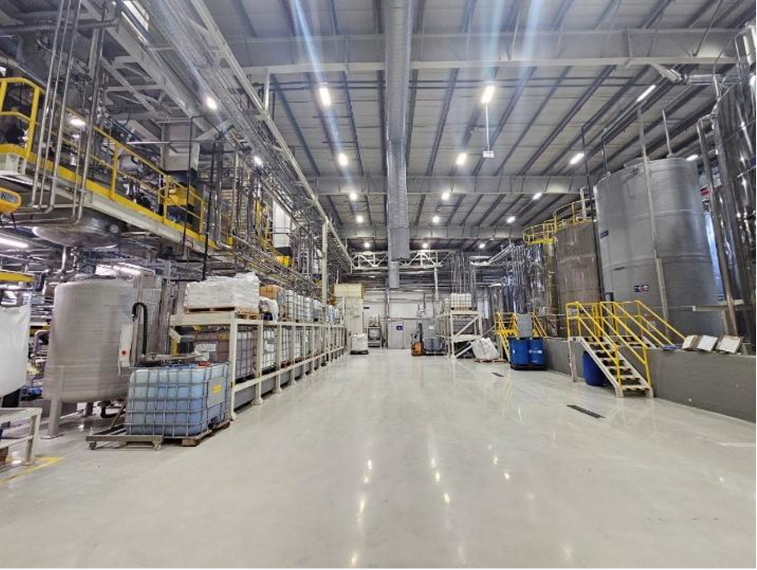
Looking back, I realized something else.
Many of the concepts we had discussed during Process Design suddenly became tangible.
Utilities were no longer symbols on a flowsheet.
Mass and energy balances were no longer classroom exercises.
Quality control was no longer just another lecture topic.
Everything existed simultaneously inside a functioning industrial system.
For me, this internship became the bridge between engineering education and engineering practice.
One experience reinforced the other.
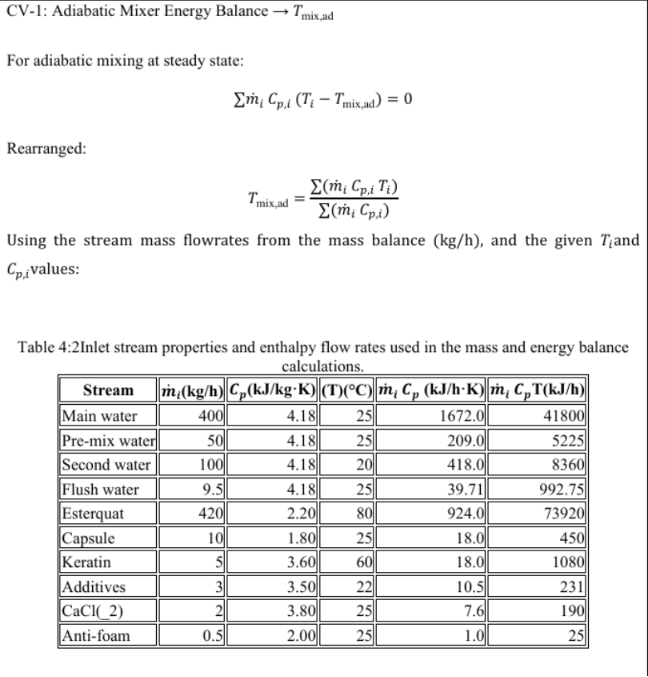
Of course, there is much more to this story than can fit into a single chapter.
Throughout the internship, I documented daily observations, engineering reflections, production processes, and one of the most important requirements of chemical engineering production training: a complete mass and energy balance based on the manufacturing process I studied.
Rather than letting those experiences remain inside a report submitted to the university, I decided to share them publicly so that future chemical engineering students could also benefit from them.
🔗 Want to read the complete internship story?
From production processes and engineering observations to the full mass and energy balance study, I documented the entire experience in a separate article.
👉 From Formulation to Manufacturing: What My Production Internship at Hayat Kimya Taught Me as a Chemical Engineer
💡 Looking Back
Research taught me how to understand scientific problems.
Process Design taught me how to build engineering systems.
My internship at Hayat Kimya showed me how those systems operate every single day in the real world.
💻 TwinBat Webinar
Academic Leadership in Collaboration with Industry
Research does not end when an experiment is completed.
A successful project also depends on leadership, collaboration, communication, and the ability to connect scientific ideas with real-world applications.
These were some of the themes explored during the TwinBat webinar “Academic Leadership in Collaboration with Industry,” which brought together researchers and professionals to discuss how universities and industry can work together to create meaningful scientific impact.
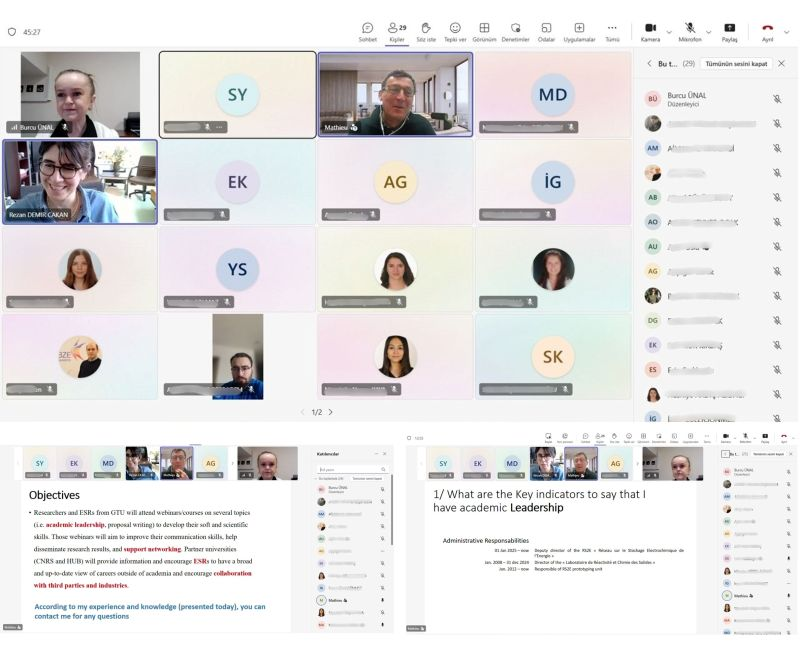
By the time I joined this webinar, my perspective had already begun to change.
I had experienced battery research in Sweden, worked on my own undergraduate thesis, completed a large-scale process design project, and observed industrial manufacturing during my internship at Hayat Kimya.
Listening to the discussions through the lens of those experiences made the webinar far more meaningful than it would have been a year earlier.
Rather than seeing research and industry as two separate worlds, I increasingly began to understand how innovation depends on continuous collaboration between both.
Looking back, this webinar reminded me that publishing scientific results is only one part of an academic career.
Equally important is learning how to build collaborations, communicate ideas effectively, and ensure that research can ultimately create value beyond the laboratory.
💡 Looking Back
The more experiences I gained throughout my undergraduate years, the more I realized that scientific progress is rarely the result of individual work alone.
It grows through collaboration, shared knowledge, and strong connections between researchers, engineers, and industry.
🔐 Intellectual Property Rights (IPR)
As my final undergraduate year progressed, I began to realize that producing scientific knowledge is only one part of the research journey.
Another equally important question soon followed:
How do we protect that knowledge once it has been created?
This question became the focus of the TwinBat Intellectual Property Rights (IPR) Training, held at Gebze Technical University.
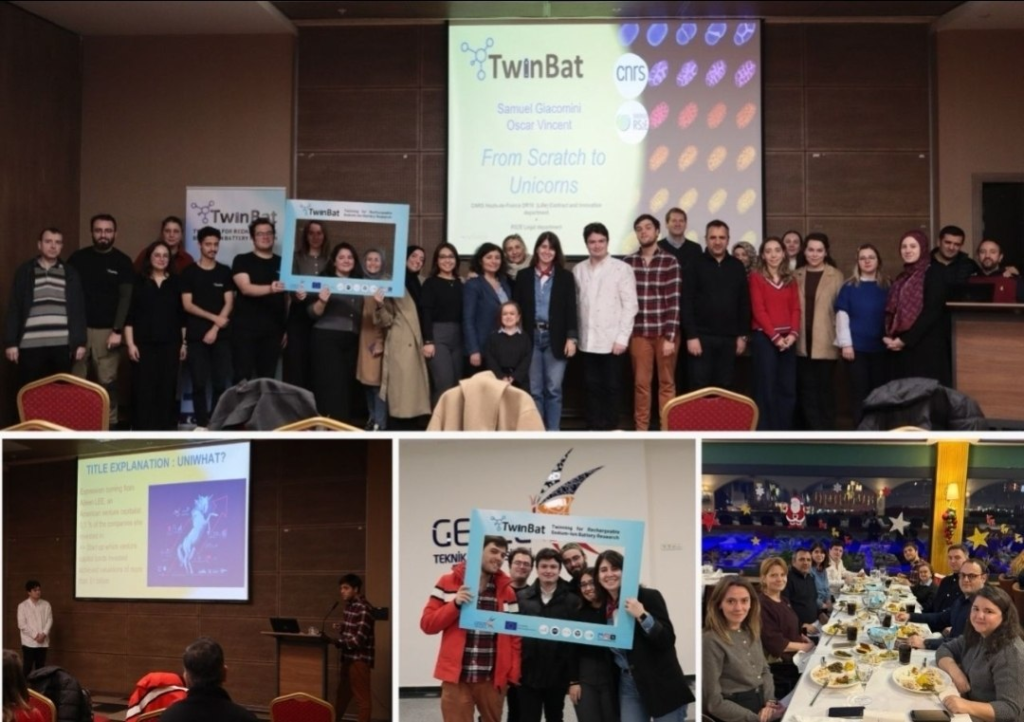
Until then, most of my attention had naturally been directed toward experiments, data interpretation, and engineering problems. The IPR training introduced a different perspective—one that highlighted the importance of protecting scientific ideas, managing research outputs, and understanding how innovation can move beyond the laboratory through intellectual property and technology transfer.
Although the technical aspects of battery research remained my primary interest, I found it equally valuable to understand that impactful research is not measured only by publications or successful experiments. It also depends on how scientific knowledge is managed, shared, and transformed into technologies that can create value for society.
Looking back, this training completed another piece of the puzzle.
Research had already taught me how to ask questions.
Engineering had taught me how to solve problems.
Industry had shown me how technologies are implemented.
This training reminded me that protecting innovation is also an essential part of the scientific process.
💡 Looking Back
Every experiment begins with an idea.
Learning how to generate new knowledge is important.
Learning how to protect that knowledge is equally important if we hope to transform research into real-world impact.
🌍 TwinBat Summer School
New Generation Battery Technologies: From Materials Design to Cell Characterization
If I had to choose one event that best summarized my entire final undergraduate year, it would undoubtedly be the TwinBat Summer School.
Over four intensive days at Gebze Technical University, researchers, academics, industry professionals, and students from different countries came together to discuss one common topic: how next-generation battery technologies are designed, characterized, and understood.
For me, however, the Summer School represented something much more personal.
It became the moment when many of the experiences I had accumulated over the previous year finally began to connect.
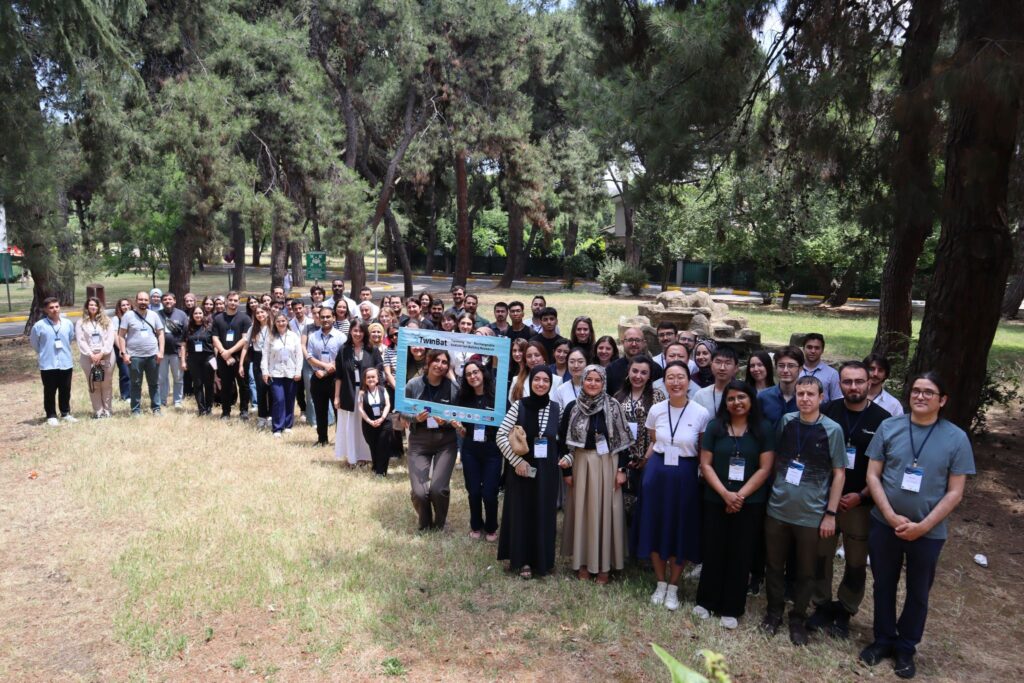
A year earlier, I had learned about sodium-ion batteries inside the laboratories of the Ångström Advanced Battery Centre at Uppsala University.
During my bachelor’s thesis, I had explored how electrochemical principles could contribute to water desalination.
At the same time, Process Design had taught me to think about engineering systems as a whole, while my internship at Hayat Kimya had shown me how those systems operate in real industrial environments.
Because of these experiences, I attended the Summer School with a perspective very different from the one I would have had only a year before.
The lectures were no longer isolated pieces of information.
Instead, they became opportunities to revisit concepts I had already encountered—from hard carbon anodes and electrolyte chemistry to electrochemical characterization, advanced imaging techniques, and reliable data interpretation.
Rather than simply learning new topics, I found myself connecting ideas across different projects, laboratories, and engineering experiences.
That was perhaps the most valuable lesson of the entire week.
Battery research is never built upon a single experiment.
It is the combination of materials science, electrochemistry, characterization techniques, careful experimental design, and thoughtful data interpretation that ultimately allows meaningful conclusions to be drawn.
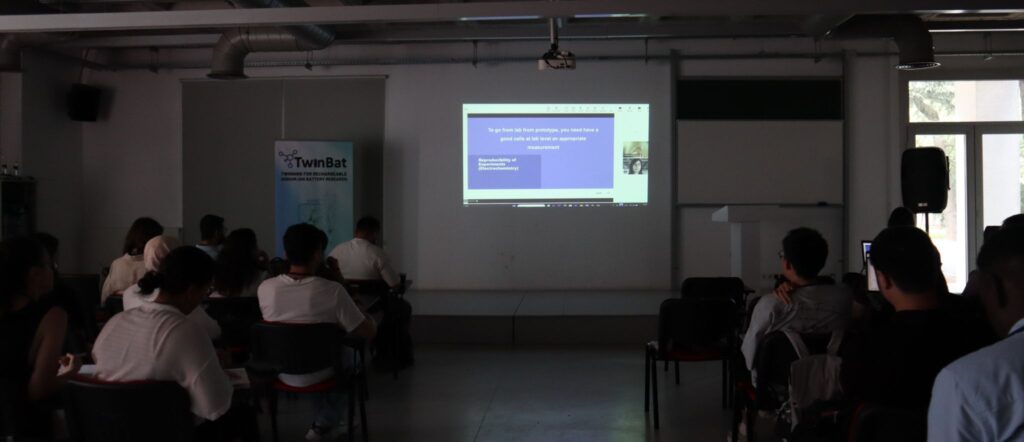
One session that particularly stayed with me focused on electrochemical characterization and data interpretation.
It reinforced an idea that every battery researcher eventually learns:
An attractive capacity curve alone is never enough.
Reliable conclusions require reproducible experiments, carefully designed cells, proper normalization, critical interpretation, and the ability to question one’s own results.
After spending the previous year performing EIS, GCD, DCIR, and various electrochemical measurements in different research environments, these discussions resonated with me in an entirely different way.
They were no longer theoretical concepts.
They reflected situations I had personally experienced inside the laboratory.
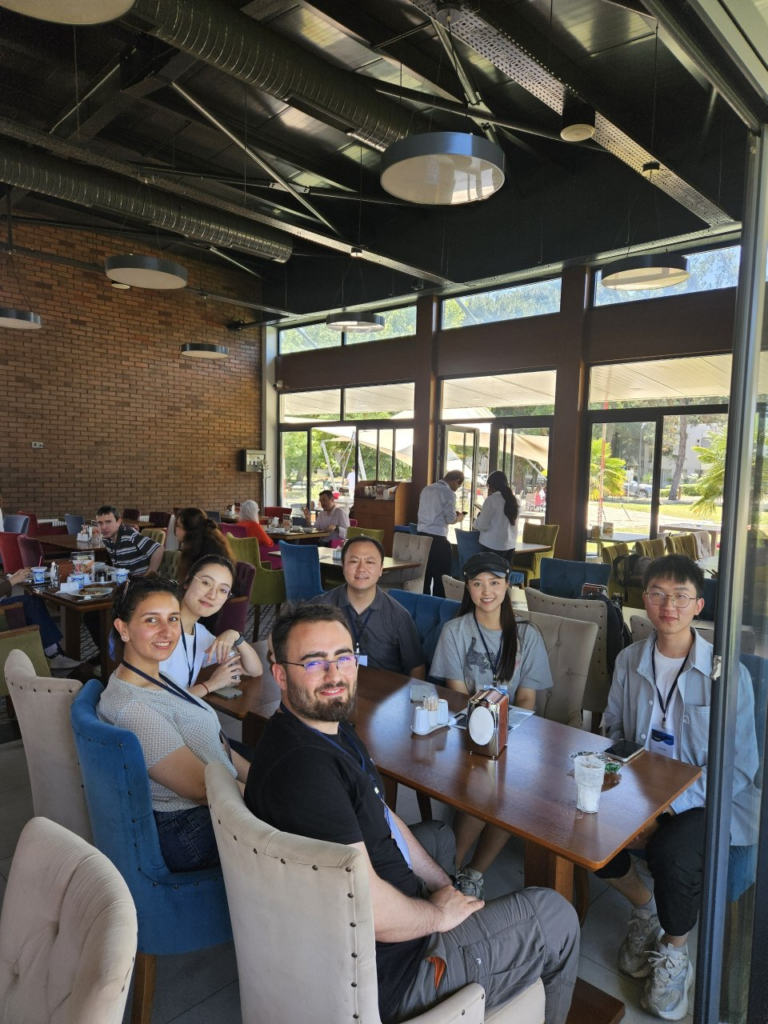
Beyond the lectures, the poster sessions and informal discussions became another highlight of the Summer School.
Meeting undergraduate students, master’s students, PhD candidates, postdoctoral researchers, and academics from different institutions created an environment where conversations continued naturally long after each session had ended.
Many of those conversations unexpectedly turned toward another topic that was becoming increasingly important to me.
Young Battery 3S.
As we discussed research interests, scientific communication, and student initiatives, several participants became curious about the community we had established. They wanted to learn more about our activities, follow future events, and stay connected after the Summer School.
Looking back today, I realize that this was the first time I truly felt that Young Battery 3S was beginning to grow beyond the small group of students who had initially started it.
It was gradually becoming a platform capable of connecting people who shared the same curiosity about battery science.
For readers who are interested in the academic programme itself, I have also included the official Summer School agenda below. It provides an overview of the lectures, speakers, poster sessions, and technical topics covered throughout the week.
💡 Looking Back
The Summer School did not simply teach me new battery concepts.
It helped me understand how the pieces I had collected throughout my undergraduate journey—research, engineering, industrial experience, characterization techniques, and scientific communication—fit together into one much larger picture.
Looking back now, I see it as the moment when I stopped thinking about batteries as individual experiments and started appreciating them as complete scientific and engineering systems.
🎓 Graduation
Closing One Chapter
Every journey eventually reaches a point where you stop for a moment and look back.
For me, graduation was one of those moments.
After four years at Gebze Technical University, I officially completed my undergraduate education in Chemical Engineering. Holding my diploma was, of course, a meaningful milestone—but what stayed with me even more was everything that had happened along the way.
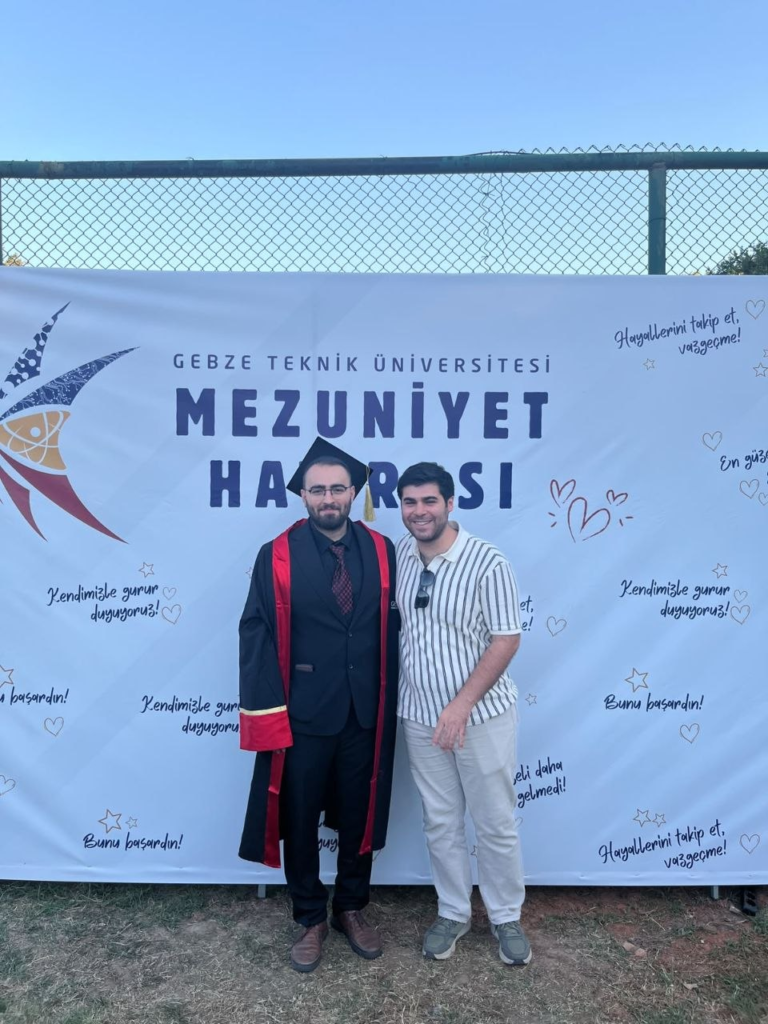
Looking back, I realized that my undergraduate years had never been defined solely by lectures, exams, or semester projects.
They had taken me into research laboratories in Sweden, industrial production facilities in Türkiye, engineering design projects, international workshops, scientific discussions, and countless hours spent reading papers, writing reports, performing experiments, and asking questions that often led to even more questions.
One decision I made early in this journey became especially meaningful by the time I graduated.
Rather than letting my projects disappear after each semester, I chose to document them.
Laboratory experiences.
Technical reports.
Engineering design projects.
Production internships.
Battery Diaries.
Scientific reflections.
Technical blog articles.
Instead of remaining inside folders on my computer, they gradually became part of my personal website—a growing archive of everything I had been fortunate enough to learn throughout my undergraduate years.
Looking back today, I am grateful that I made that decision.
Memories naturally fade with time.
Written experiences do not.
Perhaps that is what this website has come to represent for me.
It is not simply a portfolio.
Nor is it just a collection of blog posts.
It is a record of a learning journey.
A place where I can revisit old ideas, reflect on how my thinking has evolved, and hopefully make some of those experiences useful for students and researchers who may one day walk similar paths.
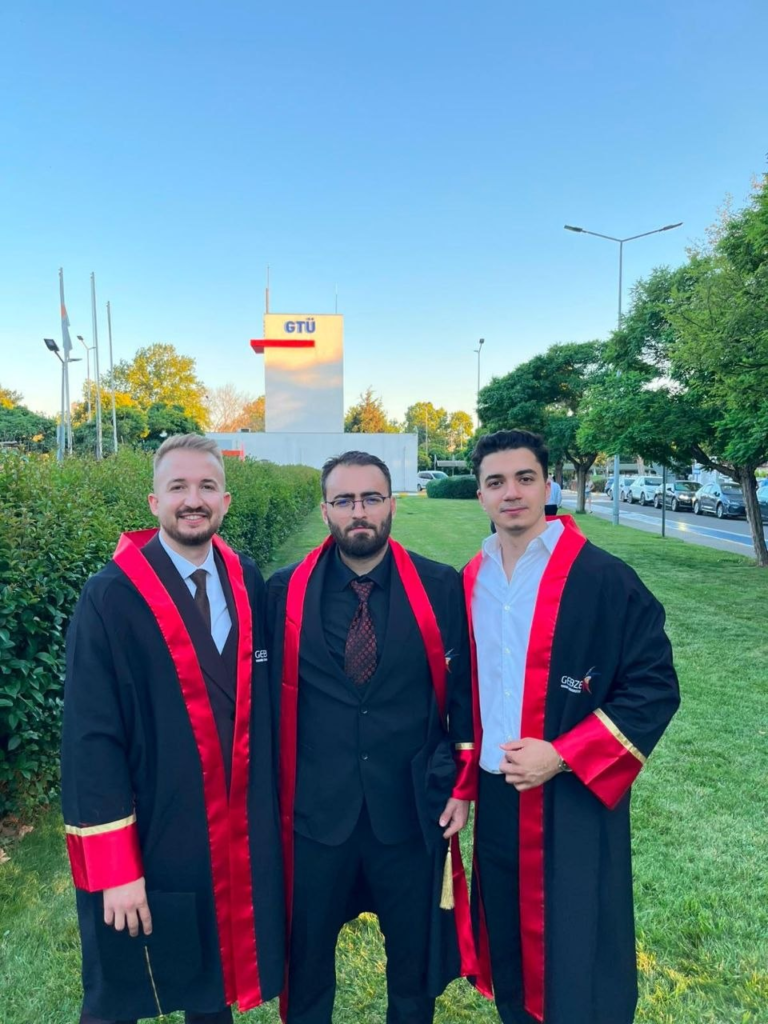
As I closed this chapter of my life, I realized that graduation was never really the finish line.
It was simply the moment when four years of curiosity, challenges, friendships, research, engineering, and personal growth finally came together.
And perhaps that is the best way I can remember my undergraduate years.
Not as four years spent earning a degree…
…but as four years spent learning how to keep learning.
🌱 Thank you, GTU.
For the laboratories.
For the classrooms.
For the friendships.
For every challenge that forced me to grow.
And for laying the foundation of the engineer—and the lifelong learner—I continue striving to become.
📖 Explore More
If you would like to explore the projects, technical articles, internship experiences, Battery Diaries chapters, engineering reports, and many of the stories mentioned throughout this journey, you can find them on my personal website.


Yorum gönder